
Overview
HCG Hospitals, Ayodhya Chowk, Rajkot, is part of the HCG network and is widely regarded as the best multispecialty hospital in Rajkot, serving Saurashtra and Kutch.
This 147-bed, NABH-accredited super specialty hospital in Rajkot is also a cancer hospital in Rajkot, with centers of excellence in neuro and spine surgery, cardiology and CVTS, bone and joint care and critical care, treating 10,500+ new patients a year.
Medical Services at
HCG Hospitals, Rajkot
At HCG Hospitals, Ayodhya Chowk, Rajkot, your treatment plan is shaped by our tumor board, which brings oncology, onco-surgery, radiology and histopathology specialists to one table. Reviewing cases on an ongoing basis across all onco services, they debate each diagnosis and build consensus, so comprehensive cancer care in Rajkot is guided by many expert minds, not one.
Cardiac Sciences

Cardiovascular care at HCG spans prevention, diagnosis, interventional cardiology and heart surgery, with cardiologists and surgeons planning each case together rather than passing patients between separate departments.
Orthopedics

Orthopedic care at HCG covers the bones, joints, muscles and ligaments that keep you moving, from a first X-ray to rehabilitation after joint replacement or arthroscopy surgery.
Neurosciences

Neurological care services at HCG bring neurologists, neurosurgeons and spine surgeons into a single team, so diagnosis, treatment and recovery follow one plan rather than separate opinions.
Uro & Nephro Sciences

Our uro and nephro sciences services bring urology, nephrology, dialysis and transplant evaluation together, so a kidney or urinary problem is handled by one team rather than several.
Surgical Oncology

Surgical oncology at HCG covers tumor removal, complex cytoreductive procedures, reconstruction and day care surgery, planned by teams who operate on cancer every working day.
Medical Oncology

Medical oncology at HCG uses drug-based treatment to control cancer throughout the body, planned by a multidisciplinary team and matched to each tumor's individual biology and stage.
Surgical Oncology
Surgical oncology at HCG covers tumor removal, complex cytoreductive procedures, reconstruction and day care surgery, planned by teams who operate on cancer every working day.
Diagnostics & Clinical Support

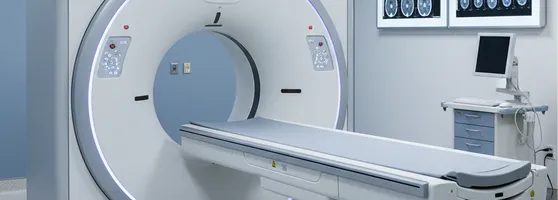
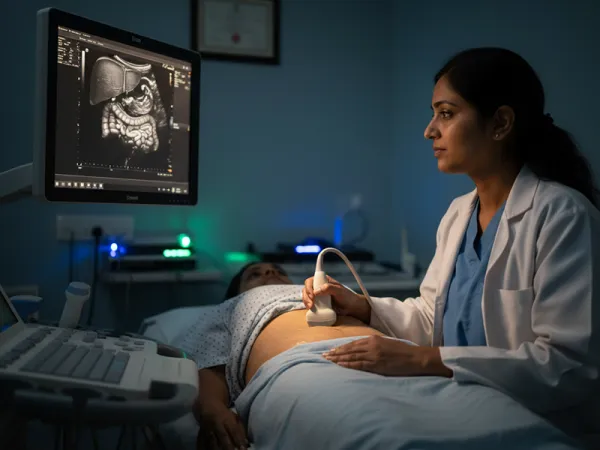
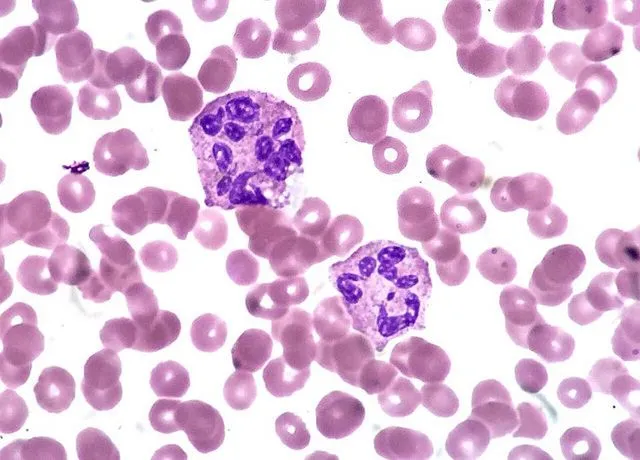
Diagnostics and clinical support brings imaging, laboratory medicine, anesthesia, ECMO and image-guided treatment together, so answers reach your treating team quickly and in one place.
Rehabilitation & Wellness

Physiotherapy, clinical nutrition and preventive health checks sit under one department at HCG, supporting people recovering from surgery, managing long-term illness or simply staying ahead of it.
Multispecialty Excellence · Rajkot
Key Diseases Treated at HCG Hospitals, Rajkot
As a cancer treatment hospital in Rajkot, HCG Hospitals treats the region's most pressing health conditions, from oral, breast and lung cancers linked to local lifestyle patterns, to the coronary artery disease, diabetes and hypertension that burden Saurashtra's families. Our specialists also manage stroke, chronic kidney disease, osteoarthritis and complex neurological and spine disorders at our neuro hospital in Rajkot, combining cancer screening and early detection with advanced, multidisciplinary treatment at every stage of disease.

Acute Heart Attack - Causes, Symptoms, Diagnosis & Treatment Overview

Congestive Heart Failure - Causes, Symptoms, Diagnosis & Treatment Overview

Interstitial Lung Disease - Causes, Symptoms, Diagnosis & Treatment Overview

Kidney Infection - Causes, Symptoms, Diagnosis & Treatment Overview

Cirrhosis Of The Liver - Causes, Symptoms, Diagnosis & Treatment Overview

Type 2 Diabetes - Causes, Symptoms, Diagnosis & Treatment Overview

Rheumatoid Arthritis - Causes, Symptoms, Diagnosis & Treatment Overview

Breast Cancer - Symptoms, Stages, Diagnosis, Treatment & Living With the Condition

Oral Cancer - Symptoms, Stages, Diagnosis, Treatment & Living With the Condition

Stomach Cancer - Symptoms, Stages, Diagnosis, Treatment & Living With the Condition
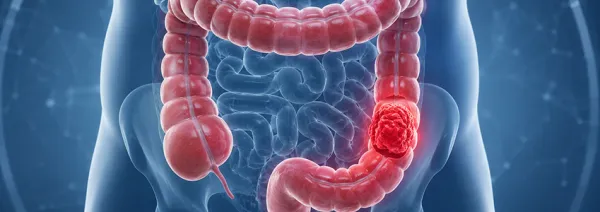
Colon Cancer - Symptoms, Stages, Diagnosis, Treatment & Living With the Condition
Rectal Cancer - Symptoms, Stages, Diagnosis, Treatment & Living With the Condition
Blood Cancer - Symptoms, Stages, Diagnosis, Treatment & Living With the Condition
Medical Technology at HCG Hospitals, Rajkot
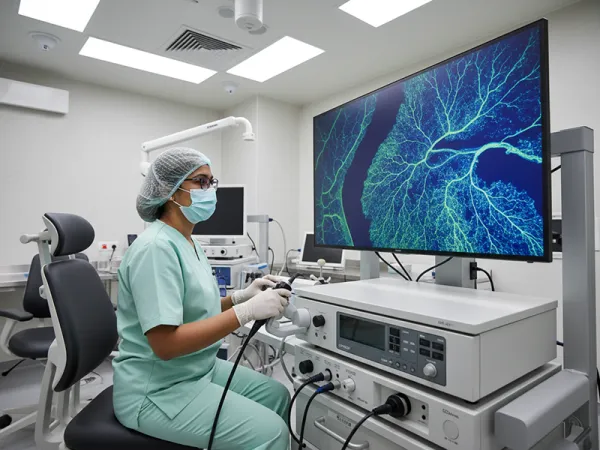
HCG Hospitals, Ayodhya Chowk, Rajkot, houses India's first high-end digital cardiac catheterization lab, the MISSO Robotic System for joint replacement and a LINAC machine for radiation therapy. Five modular operation theaters with HEPA filters, a 160 Olympus endoscopic system, CT scan, USG, digital X-ray, 2D echo, color Doppler and TEE, E-ICU backup and Saurashtra's first hemodiafiltration services support safer treatment.




Neutropenic ICU for Cancer Care


ICU-on-Wheels Critical Transport
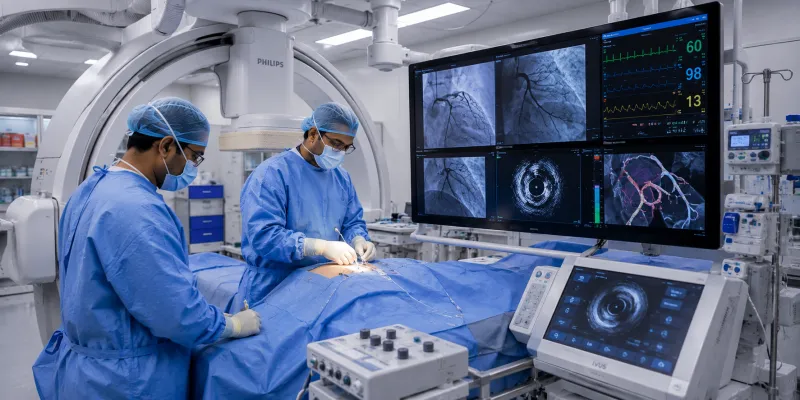

India's First High-End Cath Lab
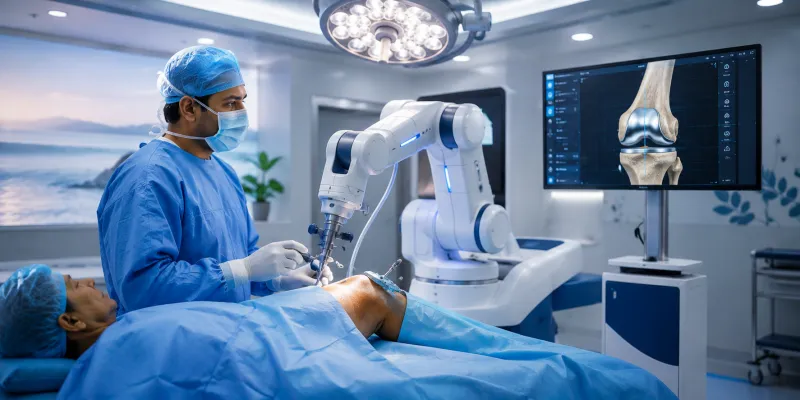

MISSO Robotic Joint Replacement System
Advanced Care for Every Stage of Illness
From a 27-bed ICU and a Neutropenic ICU for cancer patients to ICU-on-Wheels and E-ICU support, HCG Hospitals delivers round-the-clock critical care services in Rajkot.


Tailored Healthcare Packages for Your Needs
From heart care and urocare screenings to full body check-ups, our affordable packages help you detect health risks early.
 Diabetes Risk Screen
Diabetic Health Assessment Package
Ten laboratory investigations, all drawn in a single visit, make up the HCG Diabetic Health Assessment Package. It measures HbA1c (your average blood sugar over about three months) and fasting glucose, total cholesterol and triglycerides, liver enzymes, creatinine for kidney function, a complete blood count and a urine examination.Results support risk identification rather than a clinical diagnosis. Findings that need closer evaluation are referred to the appropriate specialist.
10 Tests Included
- Complete Blood Count (CBC)
- Complete Urine Examination
- HbA1c (Glycosylated Hemoglobin)
- 7+
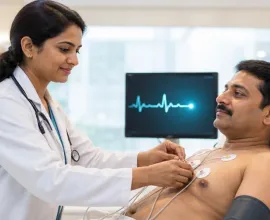 Heart Health Screen
Heart Care Screening Package
Five checks make up this cardiac screen: fasting blood glucose, a lipid profile, an ECG, a treadmill test, and a first-visit consultation with a doctor. Together they read your blood sugar, cholesterol levels, resting heart rhythm and how your heart behaves under exertion.Screening supports risk identification; it does not constitute a clinical diagnosis. Anything that needs closer evaluation is referred to the appropriate specialist for further assessment.
5 Tests Included
- Blood Glucose – Fasting (FBS)
- Lipid Profile
- Electrocardiography (ECG)
- 2+
 Urology Health Screen
Urocare Package (Female)
Built around the urinary tract, the Urocare Package in India brings together five checks for women: a serum creatinine test, an ultrasound of the kidneys, ureters and bladder, uroflowmetry to measure urine flow, a Pap smear, and a gynecologist consultation.Screening of this kind points to risk; it is not a diagnosis. Anything that needs a closer look is referred to the appropriate specialist for further evaluation.
5 Tests Included
- Creatinine
- Pap Smear / Cervical Smear
- Ultrasound – Kidney Ureter Bladder (KUB)
- 2+
 Urology Health Screen
Urocare Package (Male)
Five focused checks make up the Urocare Package in India for men aged 18 and above: a Serum Creatinine Test for kidney function, a PSA Test (Prostate-Specific Antigen), an ultrasound of the kidneys, ureters and bladder, uroflowmetry to measure urine flow, and a first-visit consultation with a urologist.Results support risk identification; they do not constitute a clinical diagnosis. Anything that needs closer evaluation is referred to the appropriate specialist for further assessment.
5 Tests Included
- Serum Creatinine
- Prostate-Specific Antigen (PSA)
- Ultrasound – Kidney Ureter Bladder (KUB)
- 2+
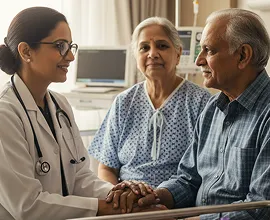 General Health Screen
Basic Plan
Six tests make up the HCG Basic Plan in India, covering blood counts, blood grouping, heart rhythm, cholesterol and kidney function. It is built for adults 18 years and above, women and men, who want an affordable first look at how the body is working.Screening of this kind supports risk identification. It does not constitute a clinical diagnosis, and any finding that needs further evaluation is referred to the appropriate specialist.
6 Tests Included
- Complete Blood Count (CBC)
- Ese
- Blood Group
- 3+
 Full Body Screen
Full Body Checkup
One visit covers 22 tests here: blood and urine work, thyroid, lipid, kidney and diabetes profiles, sonography, a chest X-ray, lung function testing, and a cardiac assessment with ECG. The Full Body Checkup in India suits adults from 18 looking for a broad baseline.Results support risk identification rather than a clinical diagnosis. Anything that needs a closer look is referred to the appropriate specialist at HCG for further evaluation.
22 Tests Included
- Complete Blood Count (CBC)
- Ese
- Blood Group
- 19+
No health packages available for this category.
Meet the People who care
Our Specialists
Expert Care
Tumor Board Approach


Not sure about your Diagnosis?
Get a Second Opinion.
Our senior specialists review your reports and guide your next steps.
 Request a callback
SURVIVOR STORIES
Hear from Those Who Chose HCG
Real stories from patients and families across Saurashtra who trusted HCG Hospitals, Rajkot with their care and recovery.
-

Varsha Makwana
Rajkot
We are very thankful to the entire ICU team for the excellent care and support provided during our hospital stay. The doctors and nursing staff were highly professional, attentive, and compassionate.
-
Vala Yashrajsinh
Rajkot
HCG Hospital Rajkot Sample Collection Area and Laboratory Department take good care of the patient and the reports are received within time, they are update with day by day in technology.
-
Hitesh Ahir
Rajkot
Venipuncture and capillary puncture techniques are excellent. Staff demonstrate great attention to detail, effective communication, and proper PPE discipline. The collection area is spacious, clean, and well-organized.
Holistic Care
Patient Support Services
Healing goes beyond treatment. HCG Hospitals, Rajkot surrounds every patient with nutrition guidance, rehabilitation and community support - including the Pink Hope Program for breast cancer awareness - through treatment and recovery.

Oncology Nutrition & Dietitian Care
Qualified dietitians create personalized nutrition plans that help patients stay strong through cancer treatment and recovery.

Physiotherapy & Rehabilitation
Dedicated physiotherapists support recovery after surgery, stroke and joint replacement, helping patients regain mobility sooner.
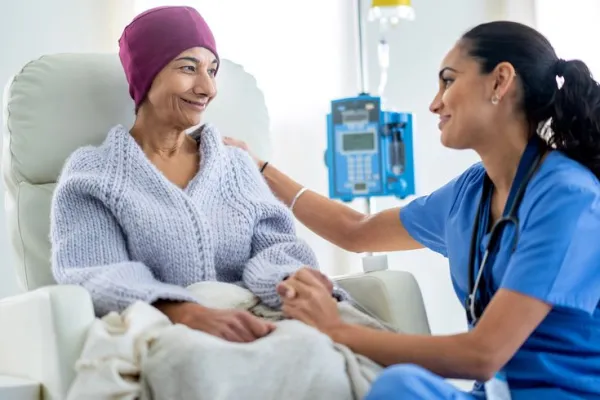
Pink Hope Breast Cancer Program
Our community program spreads breast cancer awareness and supports women in Rajkot with screening guidance and early detection.
quality matters
Accreditations
NABH Accreditation

NABL Accreditation
MIS Certification
Nursing Excellence
payment methods
Payment options at HCG Hospitals, Ayodhya Chowk, Rajkot
We keep billing simple and transparent so you can focus on recovery. HCG Hospitals, Rajkot accepts multiple payment modes and offers cashless facilities with leading insurers, plus PMJAY and ECHS government schemes.
Speak to our insurance counselors for cashless approvals and cost estimates
Free and confidential

Cash
Pay directly at our billing counters

Insurance / TPA
Cashless facility with leading insurers and TPAs, including PMJAY and ECHS schemes

Credit / Debit Cards
All major credit and debit cards accepted

Bank Transfer
NEFT, RTGS and IMPS transfers supported

UPI
Quick payments via GPay, PhonePe and more
Treatment costs vary by diagnosis, treatment plan and room category. Please contact our billing team for a personalized estimate before admission.
Step by Step
Your Care Journey
From screening to recovery, we guide you through every step of your treatment.

Prevention & Screening
Health check-ups and screenings that catch disease early
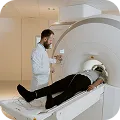
Diagnostics
Advanced imaging and lab tests confirm your diagnosis

Personalized Treatment
Specialists design a plan tailored to your condition

Recovery & Support
Nutrition, physiotherapy and care through your recovery

Follow-up Care
Regular reviews keep your health on track long term
Latest Updates
What's New At HCG
11/08/2026
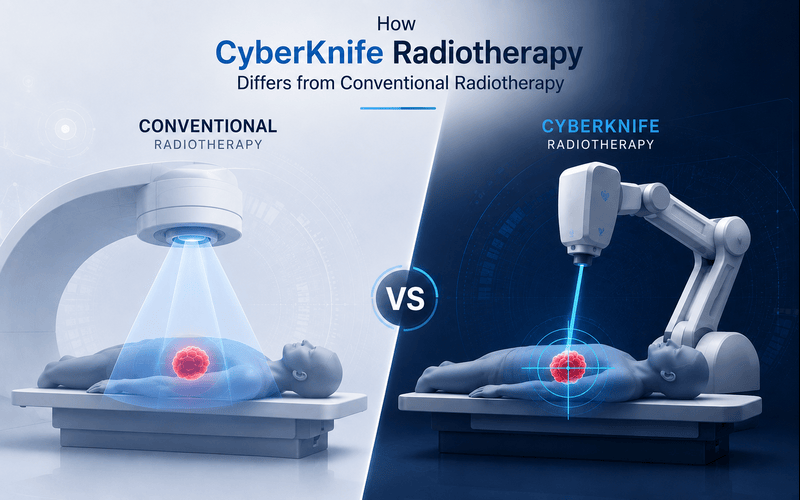
How CyberKnife Radiotherapy Differs from Conventional Radiotherapy

30/07/2026
Blood Cancer Symptoms in Women: A Complete Guide to Early Signs and Care
30/07/2026
Pap Smear Screening: What It Is, Why It Matters, and What to Expect
A Pap smear is a cervical cancer screening test used to detect abnormal cervical cells before they become cancerous. Few medical tests have quietly changed women's health as much as the Pap smear. It may take only a few minutes, but over the years, it has helped reduce cervical cancer rates worldwide. Pap smear screening plays a key role in preventive care by detecting early cell changes in the cervix before they turn serious. When combined with HPV testing, it becomes even more effective. Nearly all cervical cancer cases are linked to persistent HPV infection, making regular screening critical. What Is Cervical Cancer Screening and Why Does It Matter Screening for cervical cancer involves testing for the presence of any early indicators in the cervix. The two available tests are the Pap smear and the HPV test. The Pap smear is where cells from the cervix are collected in order to be tested in the laboratory for any abnormalities. These abnormalities do not show any symptoms, but they are prone to developing into cancer if not addressed. Who Should Get Pap Smear Screening? New studies have provided a better understanding of how HPV causes changes in cervical cells. Pap Smear Test and HPV Screening: Understanding the Connection The Pap and the HPV test are usually paired for a good reason. One looks at the cells; the other looks at the virus that often causes those cells to change. Cervical Cancer Detection: Symptoms Before Cervical Cancer Develops By the time symptoms appear, cervical cancer has usually been developing for years. That is exactly why cervical cancer detection through screening matters more than waiting on how you feel. In later stages, symptoms may include unusual vaginal bleeding, pelvic pain, or abnormal discharge, but early stages often show no symptoms. What Happens During a Pap Test: Procedure and Preparation The actual Pap test takes longer to describe than to perform. Abnormal Pap Smear: What It Means and What Comes Next An abnormal result may sound worrying, but in most cases, it is not as serious as it seems. Pap Smear Myths and Facts MythFactOnly sexually active women need Pap smearsAll women aged 21+ should be screenedA Pap smear tests for every STIIt focuses on cervical cell changesOne normal result means lifelong safetyRegular screening is still neededThe test is painfulMost women feel only mild pressureHPV vaccination means I no longer need Pap smearsThe vaccine does not cover all high-risk HPV strains. Regular Pap screening is still needed even after vaccination. Pap Smear Screening at HCG: Women's Preventive Care You Can Trust Cervical cancer is one of the most preventable cancers, and regular screening plays a crucial role in early detection. At HCG Cancer Hospital, cervical cancer prevention begins with early detection. Regular Pap smear and HPV screening can identify changes long before they become serious, giving you more control over your health. Our gynecologic oncology experts provide accurate screening, timely follow-up, and personalized guidance at every step. Schedule your screening today and take a proactive step toward protecting your long-term health.
30/07/2026
Foods Linked to Cancer Risk: 10 Foods to Limit | HCG
No single food directly causes cancer. But eating certain foods regularly over many years can gradually create conditions in the body that make cancer more likely to develop. These include chronic inflammation, DNA damage, weight gain, and hormonal shifts. This guide covers 10 foods and food categories that research has consistently linked to a higher cancer risk. None of them needs to be cut out entirely. The point is to recognize which ones are worth limiting, especially when they become part of a daily habit. Types of LymphomaLymphomas are broadly categorized into two groups:1. Non-Hodgkin's Lymphoma:The most common type of lymphoma is non-Hodgkin's lymphoma, and it develops in the lymphatic system. It tends to develop faster in older adults. It has about 70 subtypes.2. Hodgkin's Lymphoma:Hodgkin's lymphoma develops in a type of B-cell that is found in the bone marrow.Symptoms of LymphomaSymptoms of lymphoma are:FeverNight sweatsFatigueItchy skinPainless swelling of lymph nodes in the belly, neck, armpits, or groinPain in the chest, abdomen, or bonesLosing weight without tryingDiagnosis of lymphomaThe diagnosis of lymphoma usually starts with a detailed physical exam, during which the doctor looks for swollen lymph nodes in the neck, underarms, and groin. If the observations from these tests are concerning, additional tests will be recommended.Physical Exam:A physical exam is the first step in the diagnosis of lymphoma. During this assessment, your body will be examined for swollen lymph nodes in areas such as the neck, underarms, and groin.Biopsy:A biopsy is a key procedure for the diagnosis of lymphoma. It involves removing a small sample of tissue, usually from a lymph node, to test for cancer cells.Imaging Tests:To know if lymphoma has spread to other parts of the body, imaging tests such as CT scans, MRIs, or PET scans may be performed.Risk Factors and CausesThe exact cause of lymphoma is unknown, but some risk factors are:Age:Lymphoma can occur at any age, but most types of non-Hodgkin's lymphoma are common in older people.Gender:Lymphoma develops more in males than females.Family History:Lymphoma is not generally inherited. However, in a small percentage of cases, having a family history of lymphoma slightly increases one's risk of developing this condition.Certain Infections:Some infections make your immune system too active. This leads to the continuous production of lymphocytes that cause changes in DNA structure that lead to lymphoma.Weak Immune System:Someone having a weak immune system is likely to have more chances to develop lymphoma.Autoimmune conditions:Certain autoimmune conditions, namely Sjögren's syndrome, rheumatoid arthritis, celiac disease, and lupus, can increase the risk of non-Hodgkin's lymphoma, a type of lymphoma.History of Cancer Treatments:Those who have received cancer treatments like chemotherapy and radiotherapy have a higher risk of developing lymphoma. 1. Processed Meats These include bacon, sausages, hot dogs, salami, ham, and deli meats. The International Agency for Research on Cancer (IARC) classifies processed meats as Group 1 carcinogens, the same category as tobacco and alcohol. The link is strongest for colorectal cancer. Nitrites and nitrates used to cure these meats can form N-nitroso compounds in the body, which may damage the DNA of cells lining the colon. Try instead: Eggs, legumes, fresh chicken, or grilled fish. LeukemiaLymphomaOriginLeukemia develops in bone marrow.Lymphoma originates in lymph nodes or the spleen.SymptomsLeukemia may cause pale skin, petechiae (small red spots), bone pain, and easy bruising or bleeding.Lymphoma is often characterized by swollen lymph nodes, night sweats, coughing, shortness of breath, and itchy skin.DiagnosticsLeukemia is typically diagnosed with a complete blood count (CBC) test, and its specific type is confirmed through a bone marrow biopsy.Diagnosing lymphoma usually requires a biopsy of a lymph node or bone marrow, along with imaging tests to determine the cancer's stage.TreatmentsTreatment options for leukemia include chemotherapy, radiation therapy, and bone marrow or stem cell transplants. Additionally, monoclonal antibody therapy may be recommended for leukemia.Lymphoma treatment options include chemotherapy, radiation therapy, and bone marrow or stem cell transplants. Additional treatments for lymphoma may include immunotherapy, radioimmunotherapy, photopheresis, and phototherapy. 2. Red Meat in Large Quantities Red meat includes beef, pork, lamb, and mutton. IARC classifies red meat as Group 2A, meaning it is probably carcinogenic to humans, with the strongest link to colorectal cancer. The risk goes up when red meat is cooked at very high temperatures or until it is charred. Occasional servings are unlikely to be a major concern. The issue is frequent, with large portions. Try instead: Lentils, beans, fish, or poultry as your main protein on most days. Survival Rates for LeukemiaSurvival rates for leukemia vary by type, with around 50–80% of people surviving at least five years. ALL has an 80% survival rate and is considered the highest.Survival Rates for LymphomaHodgkin's lymphoma has a prognosis of survival rate of around 85%. Non-Hodgkin's lymphoma (NHL) has a more varied prognosis, with a five-year survival rate of about 72%.Factors Affecting PrognosisFor both leukemia and lymphoma, the prognosis depends on various factors.Leukemia1. Type:Acute leukemias (ALL, AML) have different survival rates than chronic (CLL, CML).2. Age:Younger patients generally have better outcomes.3. Stage:Early-stage leukemia usually has a better prognosis.4. Treatment Response:If the patient shows a better treatment response, then the outcome will also be good.5. Genetics:Certain mutations (e.g., Philadelphia chromosome) affect prognosis.6. Overall Health:The patient's general health can influence outcomes.Lymphoma1. Type:Hodgkin's lymphoma generally has a better prognosis than non-Hodgkin's lymphoma (NHL).2. Stage:Early-stage lymphoma typically has a better outcome.3. Age:Younger patients often have better survival rates.4. Treatment Response:A better treatment response is crucial for a positive prognosis.5. NHL Subtype:Some NHL subtypes are more aggressive, affecting prognosis.6. Overall Health:General health plays a role in treatment success and survival. 3. Alcohol Alcohol is one of the most clearly established diet-related cancer risks. The body converts alcohol into acetaldehyde, a compound that can directly damage DNA. Regular drinking is linked to cancers of the mouth, throat, esophagus, liver, breast, and colon. No amount of alcohol is fully without cancer risk. Try instead: Sparkling water with lime, herbal teas, or unsweetened mocktails. ChemotherapyTargeted therapy (like tyrosine kinase inhibitors for CML)Radiation therapyStem cell or bone marrow transplantsImmunotherapyMonoclonal antibodiesCommonly recommended treatments for lymphoma include:ChemotherapyRadiation therapyTargeted therapyImmunotherapyCAR T-cell therapyStem cell (bone marrow) transplantation 4. Sugary Drinks Sodas, sweetened juices, energy drinks, and flavored beverages deliver a large amount of sugar quickly, with very little nutritional value. Regular consumption is associated with weight gain, insulin resistance, and a higher risk of cancers including endometrial, breast, and colorectal. Excess body fat itself is linked to at least 13 different types of cancer. Try instead: Plain water, infused water, buttermilk, or unsweetened tea. 5. Ultra-Processed Foods These include packaged snacks, instant noodles, sugary cereals, ready meals, and chips. They tend to be high in salt, sugar, and unhealthy fats, with very little fiber. People who consume large amounts of ultra-processed foods regularly may face a somewhat higher risk of certain cancers, partly through their contribution to obesity and chronic inflammation. Try instead: Whole grains, fresh fruits, seasonal vegetables, nuts, and home-cooked meals. 6. Charred or Grilled Meats When meat is grilled, barbecued, or pan-fried at very high heat until blackened, two harmful compounds can form: heterocyclic amines (HCAs) and polycyclic aromatic hydrocarbons (PAHs). Both can damage DNA, which is considered an early step in cancer development. Try instead: Marinate meat before cooking, use lower temperatures, and trim away blackened portions before eating. 7. Deep-Fried Starchy Foods When starchy foods like potatoes, bread, and cereals are fried or roasted at very high temperatures, they can form a compound called acrylamide. Common sources include french fries, potato chips, and heavily browned toast. Animal studies have shown acrylamide can cause cancer, and some human studies suggest a possible link to kidney, endometrial, and ovarian cancers. Try instead: Boiled, steamed, or lightly roasted potatoes and whole-grain toast that is not heavily browned. 8. Salt-Preserved Foods Foods preserved with high salt content, such as traditional pickles, salted fish, and certain cured meats, have been linked to a higher risk of stomach cancer. The risk relates to both the preservation method and the resulting damage to the stomach lining over time. Try instead: Fresh herbs, lemon, garlic, and spices to add flavor instead of relying on salt-heavy preservation. Mind-Body Therapies:These therapies focus on stress reduction and body relaxation. They combine various physical and mental relaxation techniques, including yoga, tai chi, meditation, and mindfulness, to improve overall well-being for cancer patients. These techniques are believed to relieve anxiety and stress and improve the quality of life.Biological Practices:The use of natural products, such as dietary supplements, vitamins, and special diets, is also recommended as an alternative medicine approach for cancer. Studies have reported the use of green tea, ginger, and curcumin for inflammation, nausea, and cancer treatment. However, there is no strong evidence available for this.Manipulative and Body-Based Practices:It includes chiropractic care, massage, and reflexology to manage pain and anxiety. These practices work with the overall body structure.Energy Healing:These practices help balance the body's energy flow. Commonly recommended energy healing practices include Reiki and therapeutic touch therapy.Alternative Medical Systems:Ayurveda, traditional Chinese medicine, and naturopathy are different systems of alternative medicine. Some studies have found acupuncture to be effective in treating pain, nausea, and fatigue. 9. Refined Sugar and Refined Carbohydrates Foods made from white flour and refined sugar, including white bread, sweet biscuits, pastries, sugary cereals, and most commercial sweets, cause rapid blood sugar spikes and contribute to weight gain over time. Consistently high insulin levels and elevated IGF-1 can create a hormonal environment that may encourage abnormal cell growth. Try instead: Whole grains like jowar, bajra, ragi, brown rice, oats, and whole-wheat atta. 10. Foods Made with Trans Fats and Repeatedly Reheated Oils Trans fats are found in many commercially baked goods, fried snacks, margarine, and foods cooked in repeatedly reheated oils. They raise inflammation in the body, which is one of the mechanisms linked to long-term cancer risk. India's Food Safety and Standards Authority (FSSAI) has set limits on the trans-fat content of food products to address this concern. Try instead: Cold-pressed oils, mustard oil, or olive oil. Avoid using the same oil for repeated frying. Managing Side Effects:Conventional cancer treatments, such as radiation therapy and chemotherapy, cause side effects, such as fatigue, nausea, and pain, which can be managed with alternative medicine.Improving Quality of Life:Mind-body practices, such as mindfulness and meditation, manage stress, depression, and anxiety. These therapies promote overall quality of life.Complete Well-Being:Some patients use alternative systems, such as traditional Chinese medicine or Ayurveda, to focus on holistic healing, i.e., mind, body, and soul.Sense of Hope:Alternative medicines allow patients to be involved in their care decisions and generate a hope for better outcomes.Lack of Confidence in Conventional Treatment:Some cancer patients may explore CAM because they are not completely satisfied with conventional cancer treatments.Patients with cancer should note that all the CAM approaches should be discussed with their treating oncologists to ensure safety and to minimize interaction with conventional therapies. A Note on Indian Dietary Patterns Several of these foods show up in distinctly Indian forms, including salt-heavy pickles, deep-fried snacks, sweets made with refined sugar, packaged namkeen, and reheated frying oils. Alongside diet, chewable tobacco, betel quid, and areca nut are major contributors to oral and oropharyngeal cancers in India, and are classified by IARC as Group 1 carcinogens. The ICMR-NIN Dietary Guidelines for Indians (2024) recommend limiting ultra-processed foods, added sugar, and salt, while increasing intake of pulses, vegetables, fruits, and whole grains. Communication with Cancer Patients:We respectfully understand our patients' wish to include CAM in their treatment plan. Along with answering the burning question, "What are alternative therapies for cancer?" We also explain the pros and cons of these approaches.Assess the CAM Use:We assess CAM use by identifying therapy type, dose, and frequency. Determine goals and risks, and provide education.Educate the Patients about CAM:We identify the needs of the patients and their families, support them in finding credible sources, and refer them to specialists when needed.Assist in Decision Making:We aid patients in making informed CAM decisions. Ensure that they clearly understand the benefits and risks before choosing therapy.Document the Use of CAM:We will have our team document your CAM use details (dose, frequency), interactions, and understanding.Monitoring and Follow-up:We also discuss your CAM use during your follow-up visits.Report Adverse Events:Lastly, we are obliged to report CAM-related adverse events to the appropriate regulatory body. Cancer Prevention and Care at HCG Cancer Hospital Food choices alone do not determine whether someone develops cancer. Genetics, environment, lifestyle, tobacco use, and access to early detection all play a role. Diet is one of the few risk factors that an individual can actively modify. At HCG Cancer Hospital, oncology care extends beyond treatment to include early detection, screening, and survivorship support. Through a network of Comprehensive Cancer Centers operating on a Hub and Spoke Model, HCG brings together medical, surgical, and radiation oncology specialists who collaborate through the National Tumor Board to evaluate each patient's clinical profile in detail. For individuals with a family history of cancer, ongoing dietary or lifestyle concerns, or symptoms that need evaluation, a consultation with a qualified oncologist is the appropriate next step. To consult an oncologist at the HCG Cancer Hospital nearest to you, visit www.hcgoncology.com or speak with the HCG care team. Consult Your Healthcare Team:Patients should discuss with the treating oncologists before initiating CAM, as some of the therapies may interfere with the efficacy of conventional treatments.Choose Evidence-Based Options:It is important to choose the CAM that is backed by substantial evidence. Patients should avoid therapies that have no proof, as these may be dangerous.Check for Safety:Patients should be cautious while using high-dose vitamins and herbal supplements, as these may cause side effects.Seek Qualified Practitioners:Therapies such as acupuncture, yoga, or massage should be performed under the guidance of experienced professionals.Use CAM as Support and Not for Cure:Patients with cancer should understand that CAM should be used as a support to manage symptoms and overall quality of life. There is no sufficient evidence available on their efficacy to treat cancer.
11/08/2026
How CyberKnife Radiotherapy Differs from Conventional Radiotherapy
30/07/2026
Blood Cancer Symptoms in Women: A Complete Guide to Early Signs and Care
30/07/2026
Pap Smear Screening: What It Is, Why It Matters, and What to Expect
A Pap smear is a cervical cancer screening test used to detect abnormal cervical cells before they become cancerous. Few medical tests have quietly changed women's health as much as the Pap smear. It may take only a few minutes, but over the years, it has helped reduce cervical cancer rates worldwide. Pap smear screening plays a key role in preventive care by detecting early cell changes in the cervix before they turn serious. When combined with HPV testing, it becomes even more effective. Nearly all cervical cancer cases are linked to persistent HPV infection, making regular screening critical. What Is Cervical Cancer Screening and Why Does It Matter Screening for cervical cancer involves testing for the presence of any early indicators in the cervix. The two available tests are the Pap smear and the HPV test. The Pap smear is where cells from the cervix are collected in order to be tested in the laboratory for any abnormalities. These abnormalities do not show any symptoms, but they are prone to developing into cancer if not addressed. Who Should Get Pap Smear Screening? New studies have provided a better understanding of how HPV causes changes in cervical cells. Pap Smear Test and HPV Screening: Understanding the Connection The Pap and the HPV test are usually paired for a good reason. One looks at the cells; the other looks at the virus that often causes those cells to change. Cervical Cancer Detection: Symptoms Before Cervical Cancer Develops By the time symptoms appear, cervical cancer has usually been developing for years. That is exactly why cervical cancer detection through screening matters more than waiting on how you feel. In later stages, symptoms may include unusual vaginal bleeding, pelvic pain, or abnormal discharge, but early stages often show no symptoms. What Happens During a Pap Test: Procedure and Preparation The actual Pap test takes longer to describe than to perform. Abnormal Pap Smear: What It Means and What Comes Next An abnormal result may sound worrying, but in most cases, it is not as serious as it seems. Pap Smear Myths and Facts MythFactOnly sexually active women need Pap smearsAll women aged 21+ should be screenedA Pap smear tests for every STIIt focuses on cervical cell changesOne normal result means lifelong safetyRegular screening is still neededThe test is painfulMost women feel only mild pressureHPV vaccination means I no longer need Pap smearsThe vaccine does not cover all high-risk HPV strains. Regular Pap screening is still needed even after vaccination. Pap Smear Screening at HCG: Women's Preventive Care You Can Trust Cervical cancer is one of the most preventable cancers, and regular screening plays a crucial role in early detection. At HCG Cancer Hospital, cervical cancer prevention begins with early detection. Regular Pap smear and HPV screening can identify changes long before they become serious, giving you more control over your health. Our gynecologic oncology experts provide accurate screening, timely follow-up, and personalized guidance at every step. Schedule your screening today and take a proactive step toward protecting your long-term health.
30/07/2026
Foods Linked to Cancer Risk: 10 Foods to Limit | HCG
No single food directly causes cancer. But eating certain foods regularly over many years can gradually create conditions in the body that make cancer more likely to develop. These include chronic inflammation, DNA damage, weight gain, and hormonal shifts. This guide covers 10 foods and food categories that research has consistently linked to a higher cancer risk. None of them needs to be cut out entirely. The point is to recognize which ones are worth limiting, especially when they become part of a daily habit. Types of LymphomaLymphomas are broadly categorized into two groups:1. Non-Hodgkin's Lymphoma:The most common type of lymphoma is non-Hodgkin's lymphoma, and it develops in the lymphatic system. It tends to develop faster in older adults. It has about 70 subtypes.2. Hodgkin's Lymphoma:Hodgkin's lymphoma develops in a type of B-cell that is found in the bone marrow.Symptoms of LymphomaSymptoms of lymphoma are:FeverNight sweatsFatigueItchy skinPainless swelling of lymph nodes in the belly, neck, armpits, or groinPain in the chest, abdomen, or bonesLosing weight without tryingDiagnosis of lymphomaThe diagnosis of lymphoma usually starts with a detailed physical exam, during which the doctor looks for swollen lymph nodes in the neck, underarms, and groin. If the observations from these tests are concerning, additional tests will be recommended.Physical Exam:A physical exam is the first step in the diagnosis of lymphoma. During this assessment, your body will be examined for swollen lymph nodes in areas such as the neck, underarms, and groin.Biopsy:A biopsy is a key procedure for the diagnosis of lymphoma. It involves removing a small sample of tissue, usually from a lymph node, to test for cancer cells.Imaging Tests:To know if lymphoma has spread to other parts of the body, imaging tests such as CT scans, MRIs, or PET scans may be performed.Risk Factors and CausesThe exact cause of lymphoma is unknown, but some risk factors are:Age:Lymphoma can occur at any age, but most types of non-Hodgkin's lymphoma are common in older people.Gender:Lymphoma develops more in males than females.Family History:Lymphoma is not generally inherited. However, in a small percentage of cases, having a family history of lymphoma slightly increases one's risk of developing this condition.Certain Infections:Some infections make your immune system too active. This leads to the continuous production of lymphocytes that cause changes in DNA structure that lead to lymphoma.Weak Immune System:Someone having a weak immune system is likely to have more chances to develop lymphoma.Autoimmune conditions:Certain autoimmune conditions, namely Sjögren's syndrome, rheumatoid arthritis, celiac disease, and lupus, can increase the risk of non-Hodgkin's lymphoma, a type of lymphoma.History of Cancer Treatments:Those who have received cancer treatments like chemotherapy and radiotherapy have a higher risk of developing lymphoma. 1. Processed Meats These include bacon, sausages, hot dogs, salami, ham, and deli meats. The International Agency for Research on Cancer (IARC) classifies processed meats as Group 1 carcinogens, the same category as tobacco and alcohol. The link is strongest for colorectal cancer. Nitrites and nitrates used to cure these meats can form N-nitroso compounds in the body, which may damage the DNA of cells lining the colon. Try instead: Eggs, legumes, fresh chicken, or grilled fish. LeukemiaLymphomaOriginLeukemia develops in bone marrow.Lymphoma originates in lymph nodes or the spleen.SymptomsLeukemia may cause pale skin, petechiae (small red spots), bone pain, and easy bruising or bleeding.Lymphoma is often characterized by swollen lymph nodes, night sweats, coughing, shortness of breath, and itchy skin.DiagnosticsLeukemia is typically diagnosed with a complete blood count (CBC) test, and its specific type is confirmed through a bone marrow biopsy.Diagnosing lymphoma usually requires a biopsy of a lymph node or bone marrow, along with imaging tests to determine the cancer's stage.TreatmentsTreatment options for leukemia include chemotherapy, radiation therapy, and bone marrow or stem cell transplants. Additionally, monoclonal antibody therapy may be recommended for leukemia.Lymphoma treatment options include chemotherapy, radiation therapy, and bone marrow or stem cell transplants. Additional treatments for lymphoma may include immunotherapy, radioimmunotherapy, photopheresis, and phototherapy. 2. Red Meat in Large Quantities Red meat includes beef, pork, lamb, and mutton. IARC classifies red meat as Group 2A, meaning it is probably carcinogenic to humans, with the strongest link to colorectal cancer. The risk goes up when red meat is cooked at very high temperatures or until it is charred. Occasional servings are unlikely to be a major concern. The issue is frequent, with large portions. Try instead: Lentils, beans, fish, or poultry as your main protein on most days. Survival Rates for LeukemiaSurvival rates for leukemia vary by type, with around 50–80% of people surviving at least five years. ALL has an 80% survival rate and is considered the highest.Survival Rates for LymphomaHodgkin's lymphoma has a prognosis of survival rate of around 85%. Non-Hodgkin's lymphoma (NHL) has a more varied prognosis, with a five-year survival rate of about 72%.Factors Affecting PrognosisFor both leukemia and lymphoma, the prognosis depends on various factors.Leukemia1. Type:Acute leukemias (ALL, AML) have different survival rates than chronic (CLL, CML).2. Age:Younger patients generally have better outcomes.3. Stage:Early-stage leukemia usually has a better prognosis.4. Treatment Response:If the patient shows a better treatment response, then the outcome will also be good.5. Genetics:Certain mutations (e.g., Philadelphia chromosome) affect prognosis.6. Overall Health:The patient's general health can influence outcomes.Lymphoma1. Type:Hodgkin's lymphoma generally has a better prognosis than non-Hodgkin's lymphoma (NHL).2. Stage:Early-stage lymphoma typically has a better outcome.3. Age:Younger patients often have better survival rates.4. Treatment Response:A better treatment response is crucial for a positive prognosis.5. NHL Subtype:Some NHL subtypes are more aggressive, affecting prognosis.6. Overall Health:General health plays a role in treatment success and survival. 3. Alcohol Alcohol is one of the most clearly established diet-related cancer risks. The body converts alcohol into acetaldehyde, a compound that can directly damage DNA. Regular drinking is linked to cancers of the mouth, throat, esophagus, liver, breast, and colon. No amount of alcohol is fully without cancer risk. Try instead: Sparkling water with lime, herbal teas, or unsweetened mocktails. ChemotherapyTargeted therapy (like tyrosine kinase inhibitors for CML)Radiation therapyStem cell or bone marrow transplantsImmunotherapyMonoclonal antibodiesCommonly recommended treatments for lymphoma include:ChemotherapyRadiation therapyTargeted therapyImmunotherapyCAR T-cell therapyStem cell (bone marrow) transplantation 4. Sugary Drinks Sodas, sweetened juices, energy drinks, and flavored beverages deliver a large amount of sugar quickly, with very little nutritional value. Regular consumption is associated with weight gain, insulin resistance, and a higher risk of cancers including endometrial, breast, and colorectal. Excess body fat itself is linked to at least 13 different types of cancer. Try instead: Plain water, infused water, buttermilk, or unsweetened tea. 5. Ultra-Processed Foods These include packaged snacks, instant noodles, sugary cereals, ready meals, and chips. They tend to be high in salt, sugar, and unhealthy fats, with very little fiber. People who consume large amounts of ultra-processed foods regularly may face a somewhat higher risk of certain cancers, partly through their contribution to obesity and chronic inflammation. Try instead: Whole grains, fresh fruits, seasonal vegetables, nuts, and home-cooked meals. 6. Charred or Grilled Meats When meat is grilled, barbecued, or pan-fried at very high heat until blackened, two harmful compounds can form: heterocyclic amines (HCAs) and polycyclic aromatic hydrocarbons (PAHs). Both can damage DNA, which is considered an early step in cancer development. Try instead: Marinate meat before cooking, use lower temperatures, and trim away blackened portions before eating. 7. Deep-Fried Starchy Foods When starchy foods like potatoes, bread, and cereals are fried or roasted at very high temperatures, they can form a compound called acrylamide. Common sources include french fries, potato chips, and heavily browned toast. Animal studies have shown acrylamide can cause cancer, and some human studies suggest a possible link to kidney, endometrial, and ovarian cancers. Try instead: Boiled, steamed, or lightly roasted potatoes and whole-grain toast that is not heavily browned. 8. Salt-Preserved Foods Foods preserved with high salt content, such as traditional pickles, salted fish, and certain cured meats, have been linked to a higher risk of stomach cancer. The risk relates to both the preservation method and the resulting damage to the stomach lining over time. Try instead: Fresh herbs, lemon, garlic, and spices to add flavor instead of relying on salt-heavy preservation. Mind-Body Therapies:These therapies focus on stress reduction and body relaxation. They combine various physical and mental relaxation techniques, including yoga, tai chi, meditation, and mindfulness, to improve overall well-being for cancer patients. These techniques are believed to relieve anxiety and stress and improve the quality of life.Biological Practices:The use of natural products, such as dietary supplements, vitamins, and special diets, is also recommended as an alternative medicine approach for cancer. Studies have reported the use of green tea, ginger, and curcumin for inflammation, nausea, and cancer treatment. However, there is no strong evidence available for this.Manipulative and Body-Based Practices:It includes chiropractic care, massage, and reflexology to manage pain and anxiety. These practices work with the overall body structure.Energy Healing:These practices help balance the body's energy flow. Commonly recommended energy healing practices include Reiki and therapeutic touch therapy.Alternative Medical Systems:Ayurveda, traditional Chinese medicine, and naturopathy are different systems of alternative medicine. Some studies have found acupuncture to be effective in treating pain, nausea, and fatigue. 9. Refined Sugar and Refined Carbohydrates Foods made from white flour and refined sugar, including white bread, sweet biscuits, pastries, sugary cereals, and most commercial sweets, cause rapid blood sugar spikes and contribute to weight gain over time. Consistently high insulin levels and elevated IGF-1 can create a hormonal environment that may encourage abnormal cell growth. Try instead: Whole grains like jowar, bajra, ragi, brown rice, oats, and whole-wheat atta. 10. Foods Made with Trans Fats and Repeatedly Reheated Oils Trans fats are found in many commercially baked goods, fried snacks, margarine, and foods cooked in repeatedly reheated oils. They raise inflammation in the body, which is one of the mechanisms linked to long-term cancer risk. India's Food Safety and Standards Authority (FSSAI) has set limits on the trans-fat content of food products to address this concern. Try instead: Cold-pressed oils, mustard oil, or olive oil. Avoid using the same oil for repeated frying. Managing Side Effects:Conventional cancer treatments, such as radiation therapy and chemotherapy, cause side effects, such as fatigue, nausea, and pain, which can be managed with alternative medicine.Improving Quality of Life:Mind-body practices, such as mindfulness and meditation, manage stress, depression, and anxiety. These therapies promote overall quality of life.Complete Well-Being:Some patients use alternative systems, such as traditional Chinese medicine or Ayurveda, to focus on holistic healing, i.e., mind, body, and soul.Sense of Hope:Alternative medicines allow patients to be involved in their care decisions and generate a hope for better outcomes.Lack of Confidence in Conventional Treatment:Some cancer patients may explore CAM because they are not completely satisfied with conventional cancer treatments.Patients with cancer should note that all the CAM approaches should be discussed with their treating oncologists to ensure safety and to minimize interaction with conventional therapies. A Note on Indian Dietary Patterns Several of these foods show up in distinctly Indian forms, including salt-heavy pickles, deep-fried snacks, sweets made with refined sugar, packaged namkeen, and reheated frying oils. Alongside diet, chewable tobacco, betel quid, and areca nut are major contributors to oral and oropharyngeal cancers in India, and are classified by IARC as Group 1 carcinogens. The ICMR-NIN Dietary Guidelines for Indians (2024) recommend limiting ultra-processed foods, added sugar, and salt, while increasing intake of pulses, vegetables, fruits, and whole grains. Communication with Cancer Patients:We respectfully understand our patients' wish to include CAM in their treatment plan. Along with answering the burning question, "What are alternative therapies for cancer?" We also explain the pros and cons of these approaches.Assess the CAM Use:We assess CAM use by identifying therapy type, dose, and frequency. Determine goals and risks, and provide education.Educate the Patients about CAM:We identify the needs of the patients and their families, support them in finding credible sources, and refer them to specialists when needed.Assist in Decision Making:We aid patients in making informed CAM decisions. Ensure that they clearly understand the benefits and risks before choosing therapy.Document the Use of CAM:We will have our team document your CAM use details (dose, frequency), interactions, and understanding.Monitoring and Follow-up:We also discuss your CAM use during your follow-up visits.Report Adverse Events:Lastly, we are obliged to report CAM-related adverse events to the appropriate regulatory body. Cancer Prevention and Care at HCG Cancer Hospital Food choices alone do not determine whether someone develops cancer. Genetics, environment, lifestyle, tobacco use, and access to early detection all play a role. Diet is one of the few risk factors that an individual can actively modify. At HCG Cancer Hospital, oncology care extends beyond treatment to include early detection, screening, and survivorship support. Through a network of Comprehensive Cancer Centers operating on a Hub and Spoke Model, HCG brings together medical, surgical, and radiation oncology specialists who collaborate through the National Tumor Board to evaluate each patient's clinical profile in detail. For individuals with a family history of cancer, ongoing dietary or lifestyle concerns, or symptoms that need evaluation, a consultation with a qualified oncologist is the appropriate next step. To consult an oncologist at the HCG Cancer Hospital nearest to you, visit www.hcgoncology.com or speak with the HCG care team. Consult Your Healthcare Team:Patients should discuss with the treating oncologists before initiating CAM, as some of the therapies may interfere with the efficacy of conventional treatments.Choose Evidence-Based Options:It is important to choose the CAM that is backed by substantial evidence. Patients should avoid therapies that have no proof, as these may be dangerous.Check for Safety:Patients should be cautious while using high-dose vitamins and herbal supplements, as these may cause side effects.Seek Qualified Practitioners:Therapies such as acupuncture, yoga, or massage should be performed under the guidance of experienced professionals.Use CAM as Support and Not for Cure:Patients with cancer should understand that CAM should be used as a support to manage symptoms and overall quality of life. There is no sufficient evidence available on their efficacy to treat cancer.

30/07/2026
Bone Cancer: HCG's Initiative
30/07/2026
CRPF Officer Loses Six Inches of Bone to Cancer, Walks Again After Limb-Salvage Surgery
30/07/2026
Myanmar Patient's Cancer Surgery Begins with a Heart-Saving Detour
Thu Ra San, 52, helps keep skies safe as an Air Traffic Control operator with Myanmar Airways International. HCG Cancer Hospital, Kolkata returned him the favor — on the ground. A Prostate Cancer Diagnosis The resident of Mandalay had first reached out to HCG Kolkata last year for treatment of prostate cancer. Evaluation at the hospital showed that the cancer was localized, and he was planned for a robot-assisted radical prostatectomy under Dr Gaurav Aggarwal, Senior Consultant and HOD, Uro Oncology & Robotics, HCG Cancer Hospital, Kolkata. An Unexpected Cardiac Finding But before the surgery, standard pre-operative tests threw up an unexpected and serious finding: a 99% blockage in the proximal LAD, one of the heart's major arteries. The cancer surgery was immediately put on hold and, following clinical protocols, the cardiac risk was addressed first. Mr San underwent angioplasty and stenting, and was kept on hormone therapy while the team waited for cardiology clearance. Alternative treatment options were discussed, but he remained keen on surgery. Robotic Surgery and Recovery Nearly eight months later, he returned to Kolkata for the procedure. "The robotic surgery was completed successfully in the last week of June 2026. At his first follow-up, 10 days later, his catheter and stitches were removed, biopsy findings were discussed, and he was declared fit to fly back home," said Dr Aggarwal. Support for International Patients For patients from Myanmar, HCG Kolkata's care goes beyond treatment. A Burmese translator and International Patient Care team coordinate everything from airport arrival and accommodation to appointments, admission, treatment, follow-up and departure. Globally Accessible Cancer Care Clinical expertise, robotic technology, multidisciplinary evaluation and end-to-end patient support together make specialized cancer care globally accessible — true to HCG's ethos: Health Care Global.
27/07/2026
81-Year-Old Prostate Cancer Patient Successfully Treated with Robotic Surgery at HCG Cancer Centre Vadodara
VADODARA, GUJARAT | 27th JULY 2026 | Age is no longer a barrier to advanced cancer treatment when the right expertise and technology come together. Demonstrating this, an 81-year-old patient suffering from urinary problems was successfully treated for prostate cancer at HCG Cancer Centre Vadodara through robotic-assisted surgery, allowing him to return home just three days after the procedure. Diagnosis and a Second Opinion The patient had been experiencing persistent urinary difficulties and was diagnosed with prostate cancer. Owing to his advanced age, he had consulted multiple healthcare providers, where radiation therapy was suggested as the preferred treatment option. Looking for another opinion, the patient visited HCG Cancer Centre Vadodara, where his case was thoroughly evaluated by the hospital's multidisciplinary Tumor Board. After a comprehensive review involving specialists from different oncology disciplines, the Tumor Board concluded that the patient was a suitable candidate for robotic-assisted radical prostatectomy, offering him the possibility of complete surgical removal of the cancer while ensuring a faster recovery. Robotic-Assisted Surgery and Recovery The surgery was successfully performed by Dr. Samkit Sharma, Consultant – Uro Oncology, Renal Transplant & Robotic Surgeon, using advanced robotic technology. Despite being 81 years old, the patient recovered remarkably well after the minimally invasive procedure and was discharged in just three days, making an excellent recovery. Doctor's Perspective Speaking about the case, Dr. Samkit Sharma said: "At HCG Cancer Centre Vadodara, we believe treatment decisions should be based on a patient's overall health and fitness rather than age alone. Every cancer case is discussed in our multidisciplinary Tumor Board to determine the most appropriate treatment. Robotic surgery offers several advantages over conventional surgery, including smaller incisions, enhanced precision through magnified 3D visualization, minimal blood loss, reduced post-operative pain, lower risk of complications, quicker recovery, and a shorter hospital stay. These benefits help patients, even in advanced age, recover faster and return to their normal lives with greater confidence." The Value of Expert Evaluation This case highlights the importance of seeking expert evaluation before finalizing a cancer treatment plan. At HCG Cancer Centre Vadodara, every patient benefits from a multidisciplinary approach where specialists collaborate to recommend the most suitable treatment based on scientific evidence and individual patient needs. About HCG Cancer Centre Vadodara With one of Central Gujarat's largest teams of cancer specialists and expertise in robotic cancer surgery, HCG Cancer Centre Vadodara continues to deliver advanced, minimally invasive treatments that offer less pain, fewer and smaller cuts, greater surgical precision, reduced blood loss, shorter hospital stays, faster recovery, and improved patient outcomes.
Location & Accessibility
HCG Multispecialist Hospital
HCG Hospitals, Rajkot
How to Reach
By Bus
Car / Cab
From Airport
From Railway Station
OPD Timings
Facilities

Ambulance Services
ICU-on-Wheels for critical patient transport

Patient Wards

Modular OTs
Five modular operation theaters with HEPA filters

Nursing Support
Bedside nursing call system for quick assistance
Frequently Asked
Find answers about specialties, appointments, insurance, health check packages and admission at HCG Hospitals, Ayodhya Chowk, Rajkot.
Call 635 88888 17 to schedule a consultation, or book online through the appointment page on the HCG Hospitals website. Our team will guide you to the right specialist for your condition. For an emergency, the helpline 0281 619 1000 connects you straight to the hospital.
Yes. The hospital is NABH accredited under certificate number MIS-2026-3078, our laboratory is NABL accredited and our nursing team is recognized for Nursing Excellence. For you that means clinical protocols, lab reports and safety practices are audited against national standards.
As the best multispecialty hospital in Rajkot, we cover neuro and spine surgery, cardiology and cardiothoracic and vascular surgery, medical, surgical and radiation oncology, orthopedics and joint replacement, critical care, rheumatology, urology, nephrology, ENT and pulmonology.
Our technology includes India's first high-end Cath Lab, the MISSO robotic system for joint replacement, a LINAC for radiation therapy and five modular operation theaters with HEPA filters. There is also CT, digital X-ray, ultrasound, color Doppler, 2D echo, TEE and Olympus endoscopy.
Yes. Cancer cases go to a multidisciplinary tumor board where oncology, onco-surgery, radiology and histopathology review two to three cases at a sitting. Our neuro and spine, cardiac, bone and joint and critical care teams work the same way when a patient needs more than one specialty.
Yes. Our senior specialists review your reports and imaging to confirm the diagnosis and advise the most suitable treatment plan. Cancer cases are discussed by the multidisciplinary tumor board in Rajkot, giving you the confidence of several expert opinions before treatment begins.
Yes. Cashless treatment is available with leading insurance companies and TPAs, and we are empaneled under government schemes including PMJAY and ECHS. Our insurance counselors help with pre-authorization, approvals and paperwork so your admission is not held up. Call 635 88888 17.
Oncology nutrition and dietitian support, physiotherapy and rehabilitation, and cancer screening and early detection are available here. The Pink Hope program supports women through breast cancer, and patients on chemotherapy are cared for in a dedicated Neutropenic ICU when needed.
Patients travel to us from across Saurashtra and Kutch and from outside Gujarat, though the hospital does not run a separate international patient desk. Call 635 88888 17 before you travel and our team will fix the consultation, tell you what to carry and plan any admission.
Please bring a photo ID, your earlier prescriptions, blood test and imaging reports, and discharge summaries from any previous hospital stay, along with a list of the medicines you take. Carry your insurance or TPA card, or your PMJAY or ECHS card, so approvals can start early.
Yes. The heart care screening package is 499 rupees, the male and female Urocare packages are 699 rupees each, the basic plan is 1,199 and the diabetic health assessment 1,299. A full body check at 3,199 rupees covers thyroid, lipid, kidney, diabetes, cardiac and lung tests.
Critical care is one of our centers of excellence, with an ICU supported by E-ICU monitoring and an ICU on Wheels for critical transport. If something urgent happens, call the emergency helpline 0281 619 1000 and our team will tell you what to do and get ready for your arrival.
Cost depends on your diagnosis, the procedure advised, the room category and how long you stay, so ask for an estimate before admission. Call 635 88888 17 for health check and treatment charges, and our insurance counselors will explain what your policy or scheme covers.
We are at Ayodhya Chowk, HCG Hospital Road, near Astha Avenue, off the 150 Ft Ring Road, Rajkot 360005. Rajkot Junction Railway Station is about 4 km away and Rajkot International Airport about 9 km, so autos and taxis reach us easily from either side of the city.
Admitted patients are cared for across 147 beds in luxury, standard, economy, critical care and subsidized categories, one reason HCG is called the best multispecialty hospital in Rajkot. Five modular operation theaters, a Neutropenic ICU, dialysis and hemodiafiltration back you up.
Request Cost Estimate
Get a personalised cost estimate for your treatment at HCG. Our team will review your details and reach out to you shortly.
Request Cost Estimate
Get a personalised cost estimate for your treatment at HCG. Our team will review your details and reach out to you shortly.
-
Share Your Details
Tell us about the diagnosis and treatment advised so our team can understand your needs.
-
Get a Cost Estimate
Our counselors prepare a personalized estimate covering treatment, stay and diagnostics.
-
Plan Your Admission
We help you complete insurance approvals and schedule your treatment without any delays.


